


Perfection was my first friend.
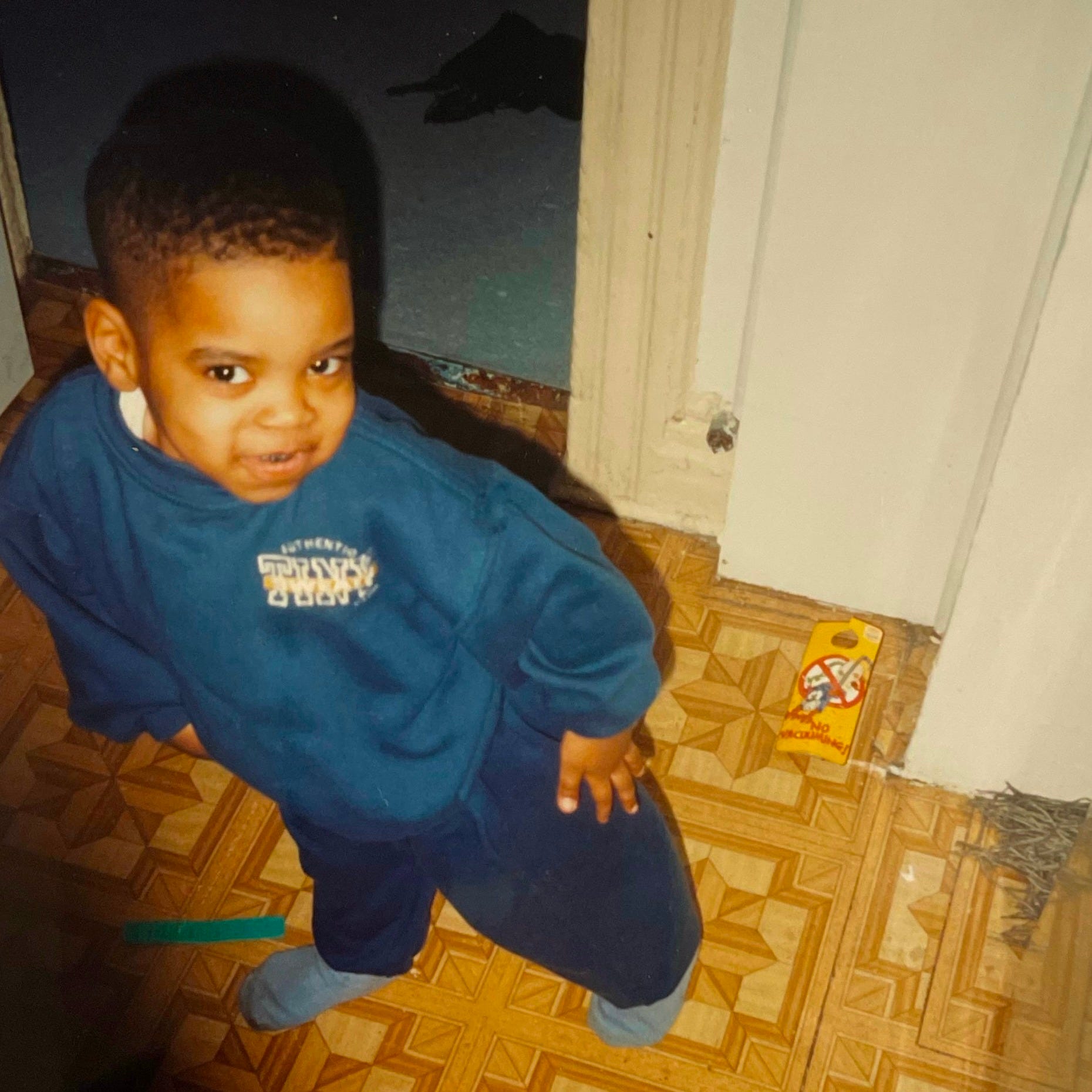
Actually, my first frenemy.
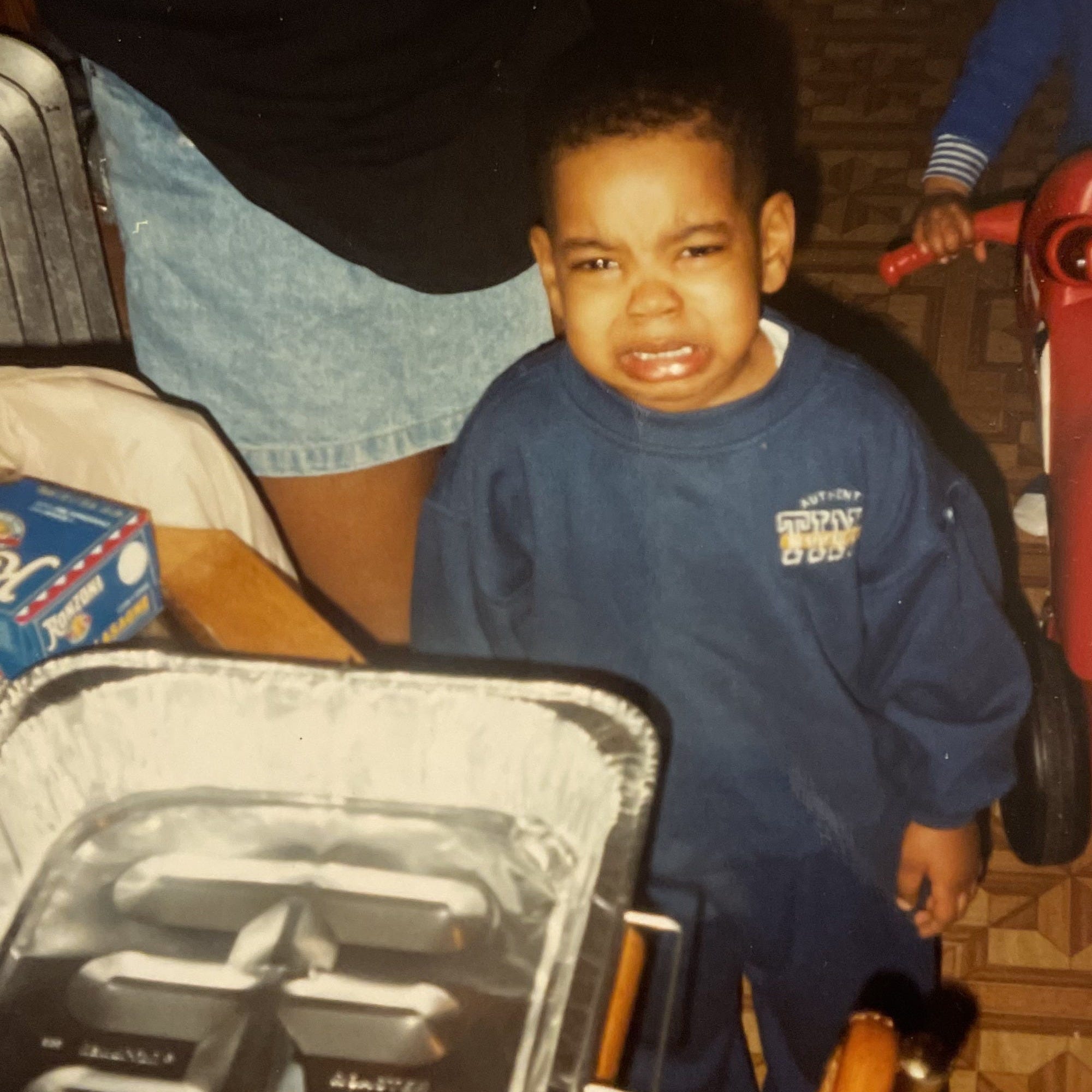
I think about the young, fat-cheeked little Kasim who desperately wanted attention, love, and affection. The innocent, sweet kid who believed, very earnestly, that if he did everything right, if he showed up exactly how people wanted him to, if he stayed perfectly in line, everything would be okay.
That love would be guaranteed.
That safety would follow.
Spoiler alert: that belief did not stay in childhood.
It followed me through adolescence, early adulthood, and well into my thirties. It’s still a ghost that visits from time to time. A familiar presence that knows exactly how to get my attention. A frenemy who will probably always live somewhere nearby, waiting for moments of stress or uncertainty to reintroduce itself.
For a long time, perfection gave me a sense of control. Comfort. Safety. Or at least the feeling of safety. If I could just anticipate what was expected of me, I could shape myself accordingly. I became very good at reading rooms, managing impressions, and programming myself based on what outcome I thought would be most acceptable in the moment. Efficient. Polished. And utterly exhausted.
What I didn’t realize then was that this version of safety was a fragile illusion.
Perfection wasn’t protecting me. It was confining me. It stripped away my humanity, my vulnerability, my softness. It turned me into a well-meaning robot who mistook approval for belonging.
As I write this now, I can say something honestly and with a lot of pride, like on the verge-of-tears-pride: that frenemy no longer runs the show.
I know now that I don’t need to be flawless to be loved. I know that I am loved because of my imperfections, not in spite of them. I know that I am celebrated for my whole self. Not just the shine. Not just the polish. But the messy, tender, human presence underneath it all.
And you are too.
If perfection has been haunting you, quietly convincing you that love and safety live on the other side of flawlessness, this short letter is for you.
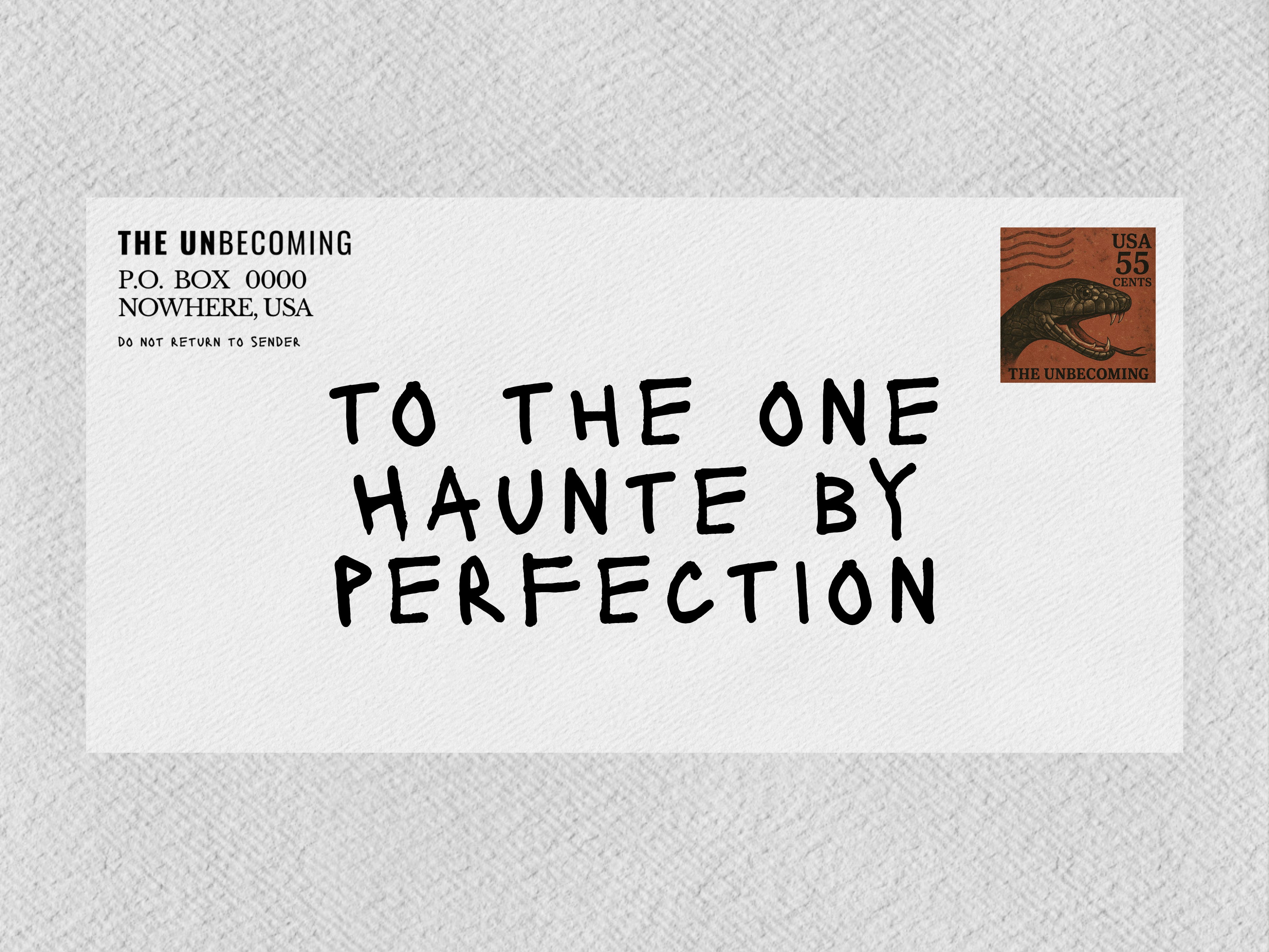
Dear You,
It can feel like perfection is the only safe place.
That if you get it exactly right, no one can criticize you. No one can leave. No one can hurt you. So you polish, edit, edit again, refine, refine, and refine. You hold yourself to impossible standards, chasing a flawless version of yourself that never quite arrives. And somewhere along the way, you lose sight of your own softness. Your own humanity. Your own freedom.
Perfection may have once been your protection. It may have helped you survive.
It may have taught you how to adapt, how to anticipate, how to stay one step ahead.
But it is also a prison.
Perfection asks you to stay vigilant instead of present. It convinces you that love is conditional, that belonging must be earned, that safety comes from control.
It tells you that mistakes are dangerous and messiness is something to hide. Over time, it narrows your world until you are living inside performance rather than truth.
But hear this clearly:
You are already worthy.
Already lovable.
Already enough.
Right neooow.
Not when you get it right. Not when you impress. Not when you are exceptional.
Ask yourself:
What would it feel like to be good enough, instead of perfect?
What am I afraid will happen if I let go of control?
If you’re looking for ease, really sit with these questions.
You don’t have to be flawless to be loved. You don’t have to perform perfection to deserve belonging. Your worth is not in the polish.
It’s in your presence.
With you in the freedom of imperfection,
Kasim
This is stunning.
The way you name perfection as a survival strategy instead of a personality trait is so clean — and so humane.
“Efficient. Polished. And utterly exhausted.”
That line landed in my body.
What I love most is how you honor the younger self without letting him run the system anymore. That’s real integration — not hustle culture healing, not aesthetic vulnerability, but actual freedom.
As a fellow Kansas Citian, I’m proud this voice lives here. This feels like the kind of writing that quietly gives people permission to stand down from the exhausting performance of being acceptable.
Thank you for putting language to something so many people carry alone.
This mattered to me — and I know I’m not the only one.